
Build the QC reference before the warehouse photos arrive
Quality control starts before an agent receives the product. Save the exact product URL, selected option, size, color, seller images, and the measurements that affected your decision. Add a short list of deal breakers. For footwear, that might include incorrect size marking or a visibly different panel layout. For a hoodie, it may be an unacceptable chest measurement or wrong print. For a bag, it could be the wrong dimensions or closure. Without this reference, a buyer is tempted to judge whether a warehouse photo “looks good” instead of checking whether the correct item arrived.
Separate five QC questions: identity, variation, size, visible construction, and condition. Identity asks whether the item corresponds to the saved product detail page. Variation checks color, model, and option. Size compares labels and actual measurements. Construction reviews observable alignment, seams, closures, panels, hardware, and other category-specific features. Condition looks for marks, damage, deformation, or missing components visible in the supplied photos. None of these checks proves authenticity, hidden material composition, long-term durability, or perfect performance. Record only what the evidence supports.
Follow the LoveGoBuy buyer route from shortlist through verification, and keep the exact evidence in your research sheet. The LoveGoBuy guide archive provides category context, while the product finds comparison guide explains how questions differ across sneakers, hoodies, and bags. If you need alternatives, use the current OutfitReps category directory, but never replace the saved product reference after the order without documenting the change.
Prioritize requests by decision value. A photo of packaging may be interesting, but an insole measurement is more valuable when shoe fit determines approval. A close view of a jacket label is less important than chest width when the garment cannot be worn if it is too narrow. Write the unresolved question first, then choose the image or measurement most likely to answer it. Limit each request to one observable outcome and keep the response beside the original question. This prevents a large photo set from creating the illusion of certainty while the essential fit, identity, or condition issue remains unanswered.
Apply the checklist differently to five product structures
The same QC sequence applies to every item, but the useful photographs change. The five live product pages below demonstrate why a generic front photo is rarely enough. Open each detail page as the source reference, then decide which measurement or angle would resolve the most important uncertainty. Additional agent photos should be specific requests, not a demand for more images without a purpose.
New Balance NB 550
For this sneaker listing, first match the warehouse pair to the selected color and size. Compare the side panel arrangement, toe shape, heel view, closure, outsole pattern, and visible labels with the saved product images. Check that left and right shoes appear consistent in height, panel placement, and overall shape. A single overhead image cannot answer these questions, so side, heel, toe, outsole, and size-label views are more useful.
Size deserves a separate check. Save your measured foot length and the listing guidance before ordering. At the warehouse stage, confirm the size mark and request an insole or interior-length measurement when available and important. Note visible glue, stitching, marks, or deformation without assuming how the shoe will feel in wear. Before shipping, record actual weight and whether retaining the box is necessary for protection.
Open the sneaker reference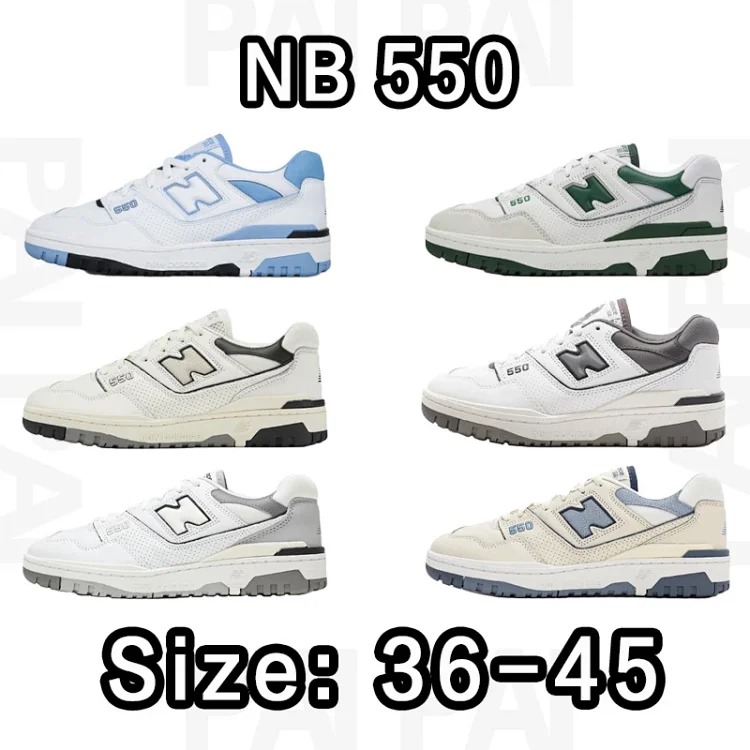
Casual Sports Hooded Sweatshirt Ral14-18
Begin with the selected color, size, and exact garment type. Compare the hood shape, neckline, pocket, cuffs, hem, closure or drawcord, and any visible graphics with the product details. Request chest width and body length measurements if those values control the fit; shoulder and sleeve measurements may also matter for a relaxed silhouette. Compare flat measurements with a hoodie you already own rather than trusting the letter size alone.
Review front and back photos for strong asymmetry, unexpected marks, print placement, and obvious seam issues. Color can shift under warehouse lighting, so use relative evidence and request a neutral-light image only when color is a deal breaker. Once approved, note the confirmed weight. A thick hoodie may compress, but it can still add significant weight to the final shipping calculation.
Open the hoodie reference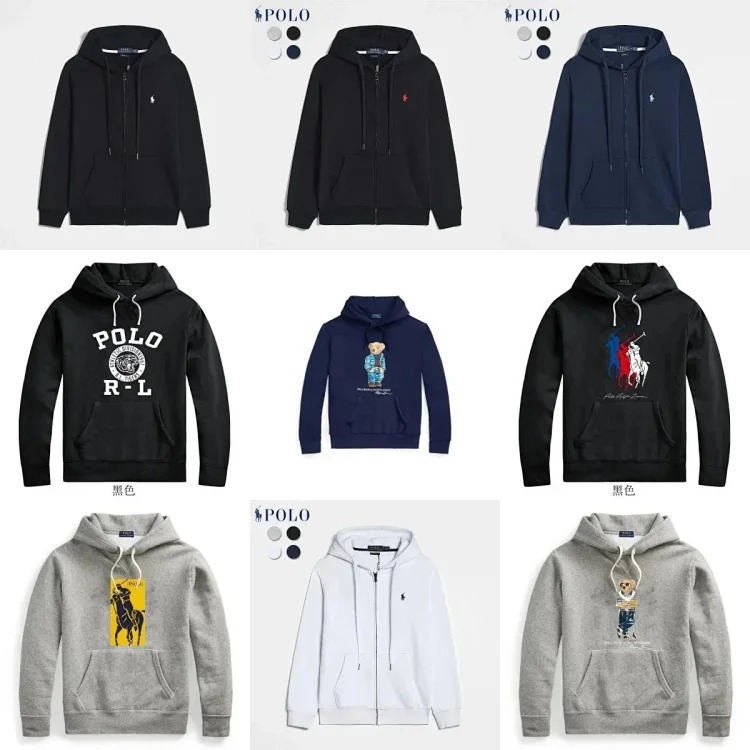
Chypre Classic Couple Model with Complete Package
This item appears under bags, yet its title does not clearly identify the product structure. Treat that mismatch as an identity check. Review all product images and the selected option before the agent order. At warehouse intake, verify that the received item is the same type, color, and variation shown in your saved evidence. If the identity is still unclear, stop the QC sequence and resolve it before judging details.
When the received item is a bag, request width, height, and depth if capacity matters. Review front, back, sides, base, interior, strap or handle attachment, closure, edges, and visible hardware. Confirm included components against the selected option rather than assuming “complete package” has one universal meaning. Packaging can increase parcel volume, so list what must remain and what could be removed without compromising the item.
Open this product reference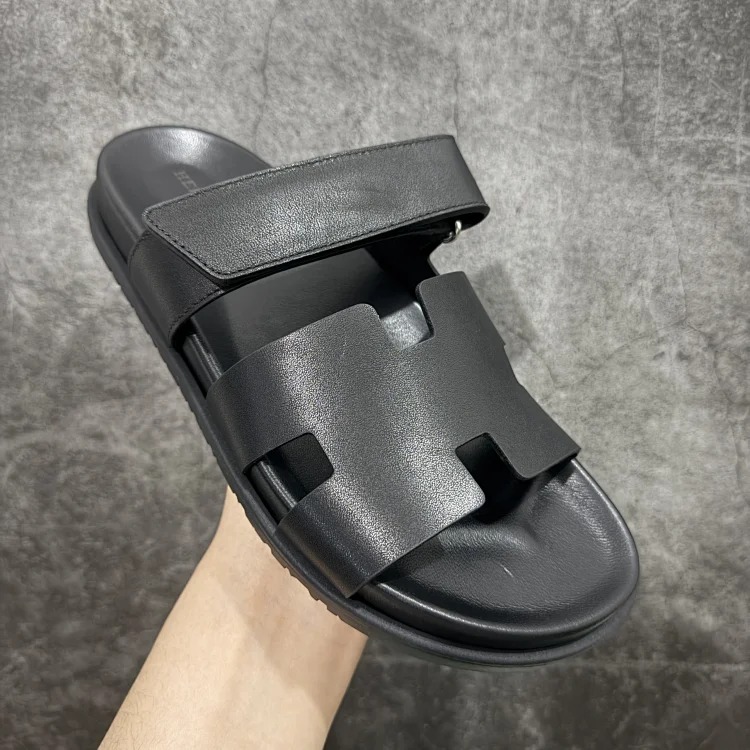
Fashion Cotton Coat P-0099
For a jacket, save the selected option and the layering plan. The most useful size checks are usually chest width, body length, shoulder, and sleeve, compared with a jacket that fits over the same base layer. Review collar shape, closure, pockets, cuffs, hem, lining views, and visible surface details. Treat the title’s material wording as seller-provided information unless the listing offers evidence; warehouse photos generally cannot verify fiber composition.
Ask for the jacket laid flat when measurements or symmetry matter. Look for obvious marks, inconsistent closures, missing components, and major alignment problems. Decide which issues affect normal use and which are only visible under close inspection. Record warehouse weight and whether compression is appropriate before selecting a shipping route, especially if the jacket has structure that should not be flattened.
Open the jacket reference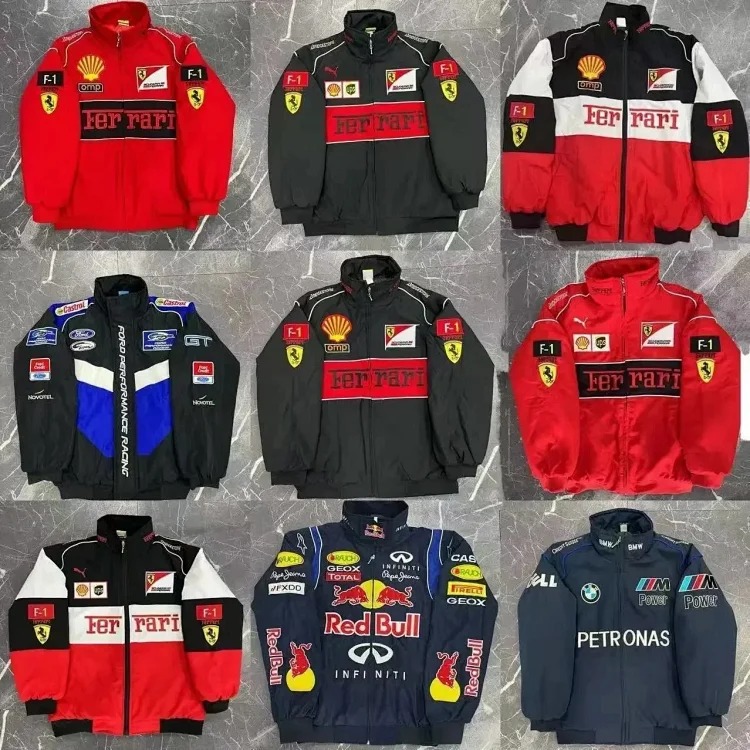
PZ88-R-1 Wrist Watch
A watch needs close views that garment QC does not. Match the selected model, dial appearance, case shape, strap or bracelet, clasp, crown, and included components with the product details. Request clear front, back, side, clasp, and packaging photos if the standard set is incomplete. Check visible alignment, scratches, marks, missing parts, and whether the displayed item corresponds to the selected option.
Warehouse images cannot establish accuracy, water resistance, internal movement quality, or long-term performance. If an agent offers a basic function check, record exactly what was tested rather than expanding the result into a guarantee. Confirm weight and packaging before shipping, and review route restrictions that may apply to products containing batteries or electronic functions.
Open the watch reference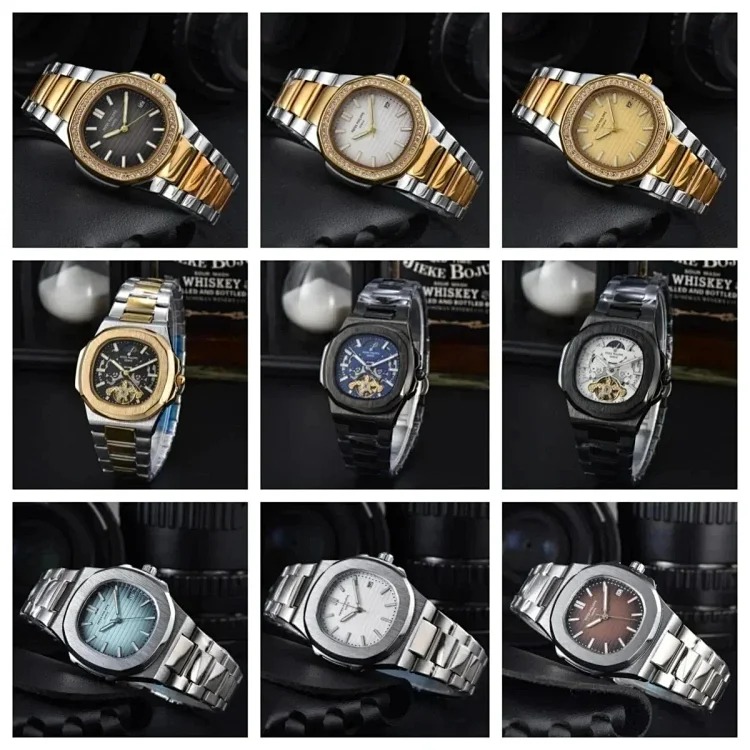
Use a pass, question, exchange, or remove decision before shipping
Give every warehouse item one explicit QC status. “Pass” means the visible evidence meets your documented requirements. “Question” means a specific missing image or measurement could change the decision. “Exchange” means the received variation, size, visible condition, or other essential detail does not meet the order. “Remove” means the item should not enter the international parcel. Add a written reason and date; a colored cell without context is difficult to audit later.
- Match the item to the exact product URL, saved images, selected option, color, and size.
- Check the category-specific measurements that determine usability.
- Review visible construction from the angles needed for that product structure.
- Record marks, damage, deformation, missing components, or strong asymmetry.
- Request one targeted photo or measurement for each unresolved decision.
- Approve shipping only after every item has a final documented status.
After QC, move the agent route to parcel planning. Use confirmed weight and dimensions, not the early estimate. Decide which boxes or packaging are required, what can be removed, and whether protection changes the parcel size. Compare shipping routes for restrictions, tracking, delivery expectations, and total landed cost. Keep screenshots and QC notes until delivery so the final item can be compared with the evidence used for approval.
Maintain a short evidence log for every decision: date reviewed, source image, measurement, conclusion, and next action. If lighting makes color uncertain, record that limitation instead of forcing a yes-or-no judgment. If a visible issue appears only in one photo, request a second angle before deciding whether it is a mark, shadow, fold, or reflection. When a problem is acceptable, explain why it does not affect intended use. When it is not acceptable, connect the exchange or removal request to the saved order details. Consistent notes make later agent communication shorter and reduce contradictory instructions.
A useful LoveGoBuy QC guide produces a decision, not more photos
The purpose of QC is not to collect the largest image folder. It is to answer whether the warehouse item matches the order, fits the intended measurements, shows acceptable visible construction and condition, and can enter the chosen shipping plan. Start with saved product evidence, ask category-specific questions, and distinguish visible facts from assumptions. When one photograph cannot answer a deal breaker, request the exact angle or measurement that can.
Complete the review before consolidation. Once several items enter an international parcel, exchanges or removals become more difficult. A concise LoveGoBuy QC record—exact link, option, measurements, key images, status, reason, weight, and packaging note—creates a defensible handoff from product research to agent shipping. That discipline is more valuable than approving an item because the first warehouse photo appears generally acceptable.