
Compare products by category job before comparing style
A useful LoveGoBuy product-finds session begins with three separate questions. What must the sneaker do during a real day? What fit and layering role should the hoodie provide? What objects must the bag carry? If those jobs are not defined, the shortlist becomes a collection of attractive but unrelated images. Write one sentence for each category before opening links. A sneaker might need to handle long walks and work with straight trousers. A hoodie might need room for a tee while still fitting under a jacket. A bag might need to hold a tablet, charger, bottle, and travel documents without looking oversized.
Then create category-specific comparison columns. For sneakers, track foot length, suggested size, upper structure, sole profile, color, and estimated packed volume. For hoodies, track chest width, body length, shoulder, sleeve, fabric description, closure, and expected layer weight. For bags, track dimensions, strap range, closure, compartments, hardware, and what can fit inside. Keep seller wording separate from confirmed evidence. A phrase in a title can direct your attention, but it should not be converted into a material, fit, or quality claim unless the detail page provides support.
The LoveGoBuy buyer route is designed to move from discovery to verification, while the guide archive adds deeper category notes. Use the previous LoveGoBuy spreadsheet workflow if you need a field-by-field research method. Browse the live OutfitReps categories only after defining the job. That sequence keeps the product feed from deciding your needs for you.
Score candidates only on factors connected to the category job. A simple five-point scale can cover evidence completeness, measurement confidence, versatility, shipping practicality, and total cost. Keep the score beside a short explanation; numbers without reasons create false precision. Missing essential information should not receive an average score—it should remain unresolved. Set a deadline for the comparison as well. If two sneakers are still tied after checking size guidance, intended use, and parcel impact, the better decision may be to keep neither until clearer evidence appears. A shortlist is allowed to end without a purchase.
Five live finds and the questions each one should trigger
These examples are deliberately split across sneakers, hoodies, and bags. They show how the verification process changes by category, not a fixed outfit or recommended basket. Open the exact product detail page, confirm the current variation and information, and save evidence in your own notes. If a listing title appears mismatched with its category, treat that mismatch as a reason for closer review rather than guessing what will arrive.
24 autumn and sports suit-CY
This listing appears in the shoe category, but its short title does not clearly describe footwear. That is an immediate verification flag. Review the entire image set and available options before classifying it in your spreadsheet. Confirm that the selected option corresponds to the pictured product and record any visible size guidance. If footwear is shown, compare shape, sole profile, closure, and interior-length information with a measured pair you already own. Do not let the category path substitute for product evidence.
Before an agent order, copy the exact option wording and request clarification if the listing remains ambiguous. At QC, match the warehouse item to the saved screenshot before checking measurements or condition. A confusing title is manageable only when the selected variation and received item are documented precisely.
Review this OutfitReps listing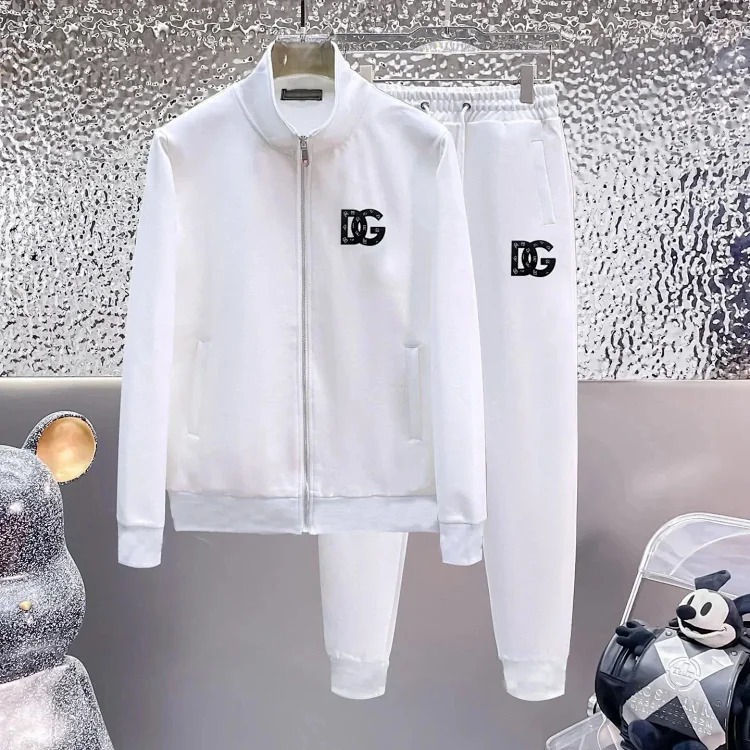
Nike Air Max Plus TN Sneakers
For a more clearly named sneaker, build the comparison around fit and construction rather than name recognition. Record the displayed color option, size range, visible panel layout, sole shape, and any measurement guidance. Compare foot length with interior-length information when available, and account for the socks you plan to wear. Product photos can help you judge proportion and color placement, but they cannot prove comfort or material performance.
In warehouse QC, request clear side, heel, toe, outsole, and size-label views if the standard set does not answer your questions. Check symmetry and visible condition, then record actual parcel weight. Shoes can add meaningful volume to shipping, especially when the box is retained, so compare protection needs with the cost of the extra space.
Review this sneaker detail page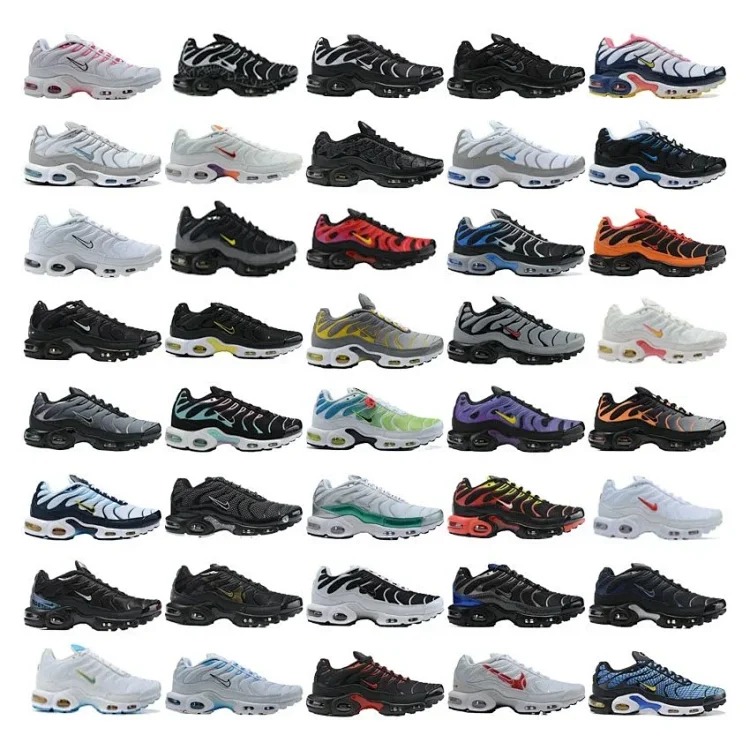
Spring and Autumn Trendy Versatile Suit FL11-002ph
A title that uses broad seasonal language should lead to measurement questions. Determine whether the listing shows a pullover, zip layer, coordinated set, or another garment type, and identify which option the price represents. For a hoodie, save chest, length, shoulder, and sleeve measurements in consistent units. Compare them with a hoodie that already fits in the way you want rather than relying on S, M, or L alone.
Use images to review silhouette, visible lining, cuffs, hem, pockets, closure, and print placement. In QC, confirm the exact piece and color, measure the two dimensions most important to fit, and inspect obvious marks or strong asymmetry. Record whether the layer is intended to pack flat or provide warmth, because that affects both wardrobe use and shipping volume.
Review this hoodie listing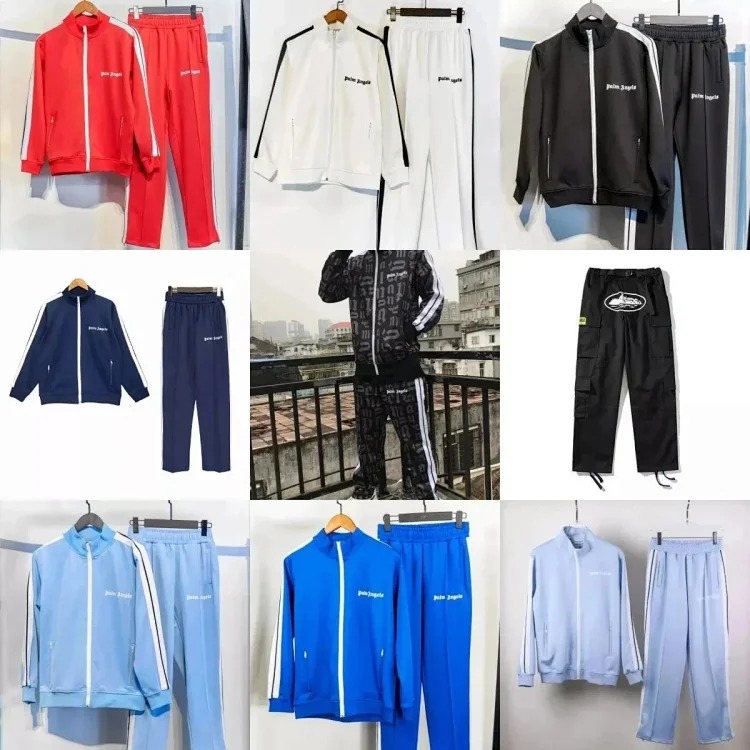
2024 Printed Pure Cotton Loose Sweatshirt-CY
This title suggests a loose sweatshirt and names a fiber, but preserve those descriptions as seller-provided information until the listing supports them. Decide how much ease you want at the chest and where the hem should fall. A loose shape can work as an outer layer, yet it may bunch under a fitted jacket. Compare flat garment measurements, check the neckline and cuffs, and inspect the print scale against the full garment rather than a cropped close-up.
For agent notes, specify the chosen graphic, color, and size exactly. QC should confirm print orientation, visible surface condition, seams, cuffs, and key measurements. If the layer is heavy, use its confirmed warehouse weight when estimating consolidation instead of assuming all sweatshirts ship alike.
Review this sweatshirt detail page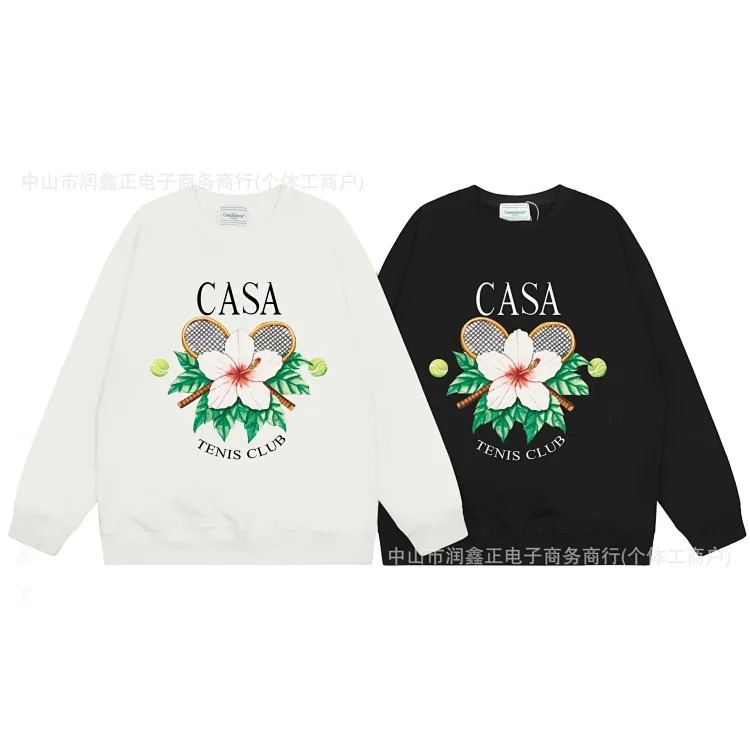
Latest Color Matching STUD with Complete Packaging
The bag title emphasizes color and packaging, but a useful comparison starts with dimensions and function. Record width, height, depth, strap range, closure, compartments, and the objects the bag must hold. If measurements are missing, do not estimate scale from a styled image alone. Review front, back, side, base, interior, strap attachment, and hardware images. Packaging may increase shipping volume, so decide whether every component is necessary for your use.
At QC, compare the selected color with the saved option, then inspect panel alignment, edges, closure, hardware consistency, interior condition, and strap connection. Ask for a measurement photo when capacity is a deciding factor. Keep visible observations separate from any unverified claim about material or origin.
Review this bag detail page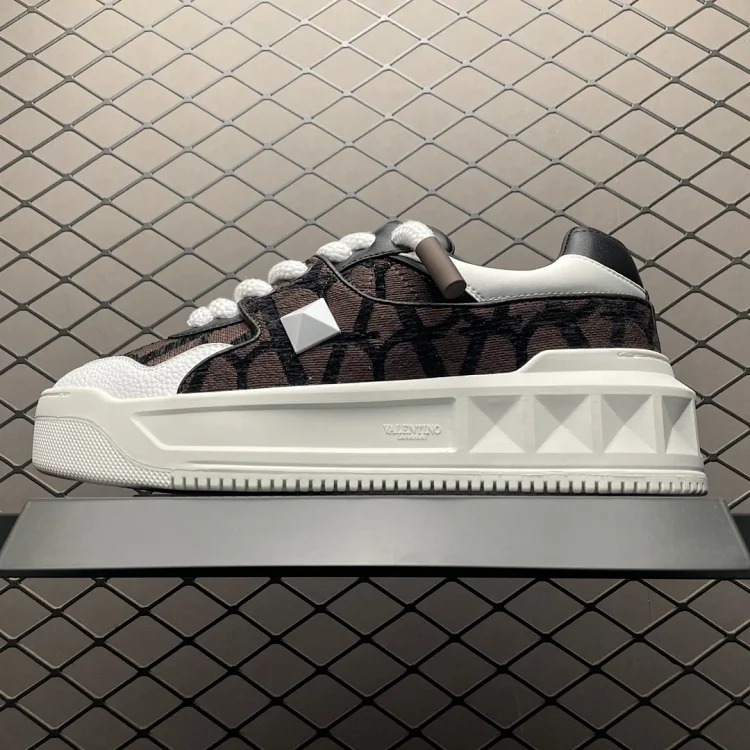
Use one agent route but different QC and shipping priorities
The agent route is consistent across categories: save the exact product URL, identify the selected option, submit a precise note, wait for warehouse intake, review QC, resolve questions, and consolidate only accepted items. The priority inside each step changes. Sneaker QC emphasizes size marks, profile, outsole, and symmetry. Hoodie QC emphasizes variation, measurements, print or closure details, and visible condition. Bag QC emphasizes dimensions, panel alignment, strap and hardware attachment, closure, interior, and edge finishing.
- Record the exact link and selected option before submitting an agent order.
- Compare size measurements with an item you own, using the same measuring method.
- Save the product images used for the decision so QC has a stable reference.
- Mark each item pending, pass, question, exchange, or remove, with a written reason.
- Estimate shipping only after warehouse weight, dimensions, and packaging needs are known.
For shipping, compare the combined parcel rather than adding item prices alone. Sneakers may need shape protection; hoodies may be compressible; bags may require structure or may arrive with bulky packaging. Ask what can be safely removed and what should remain. Review route restrictions, tracking, delivery expectations, parcel dimensions, and the full landed-cost estimate. A product that looks inexpensive in isolation can become poor value when it duplicates a wardrobe role or drives the parcel into a more expensive size tier.
Keep item cost, domestic delivery, service charges, optional QC requests, packaging choices, and estimated international freight in separate fields. This makes the estimate adjustable when the agent provides actual weight. Also record the currency and calculation date so later comparisons are meaningful. Do not force the cheapest route if its restrictions or delivery expectations conflict with the parcel. The useful result is not a single perfect estimate; it is a visible range that shows which assumption changes the decision.
Turn LoveGoBuy product finds into a controlled shortlist
Good LoveGoBuy product finds are not simply the newest items on a page. They are links that survive a category-specific review. Sneakers need a credible size and use plan. Hoodies need measurable fit and a defined layering role. Bags need realistic capacity, construction views, and a packaging decision. The same listing can be useful for one buyer and unsuitable for another because their measurements, climate, wardrobe, shipping route, and tolerance for missing information differ.
Keep no more than two or three active candidates for the same job. Record why each one remains, what evidence is missing, and the next action. Remove a product when its essential detail cannot be verified or when another item performs the same role more clearly. That discipline turns a broad feed into a practical research board and keeps the final agent order focused on products you can explain, measure, inspect, and ship deliberately.