
Build the outfit as a system, not a shopping list
The most useful outfit guide does more than collect attractive products. It explains why separate pieces belong together, what each one contributes, and how to adjust the combination when temperature, schedule, or personal preference changes. This guide is designed around soft, comfortable weekend dressing with a tidy silhouette. The suggested formula is a tactile knit, relaxed trousers, low-key shoes, a compact bag, and one subtle accessory. That formula creates a hierarchy: one piece leads, two or three pieces support it, and every accessory has a practical reason to remain. Starting with hierarchy prevents the familiar problem of buying five individually interesting items that become noisy or awkward when worn at the same time.
The working palette is oatmeal, soft grey, chocolate brown, faded blue, and cream. A limited palette is not a rule that every item must match exactly. It is a way to make decisions quickly. Choose one dominant neutral for the largest areas, a second value to create separation, and a small accent that appears once or twice. When product photography is made under different lighting, compare relative lightness and undertone instead of trusting the screen color literally. A charcoal item and a blue-black item can still work together if their textures are distinct and the difference looks deliberate. The same approach helps a capsule feel varied without requiring a large number of pieces.
Plan for slow mornings, café visits, gallery stops, and cool evening walks. Think through the whole day before focusing on aesthetics. Ask which layer you may remove, where it will go, whether the shoes can handle the walking distance, and whether the bag can carry the pieces you take off. Comfort problems usually come from overlooked transitions rather than the starting temperature. The five OutfitReps products below are visual references for the formula. Each image links to the corresponding concrete product detail page, allowing you to check current photographs, options, and listing information directly.
How to evaluate the five product references
Begin with silhouette. Look at the apparent width, length, rise, and volume of each product, then compare those shapes with the intended outfit. A wide top and wide trouser can feel purposeful when the shoe has enough visual weight, but the same combination may look accidental with a very narrow sole. A compact jacket can clarify relaxed trousers, while a long layer can connect a slimmer upper body to broader footwear. Treat measurements as the final authority whenever the listing provides them. Product names such as loose, oversized, straight, cropped, or slim are inconsistent across sellers and should only prompt closer inspection.
Next, evaluate color and surface. Smooth leather, washed cotton, technical nylon, open knit, and dense fleece reflect light differently even when their stated colors are identical. That difference creates depth, particularly in neutral or monochrome outfits. Zoom into the current product images on OutfitReps and note visible seams, hardware, print scale, and areas where fabric may fold. If a detail is essential to your plan, verify that it appears on the selected variant rather than assuming every option shares the same construction. Finally, consider maintenance. A travel, campus, or commute outfit should not depend on a fragile item that is difficult to store, clean, or wear repeatedly.
Chanel Diamond-encrusted large and small double cross sweater chain with high-end feel
This OutfitReps listing earns a place in the guide because it supports soft, comfortable weekend dressing with a tidy silhouette without forcing the rest of the outfit to compete with it. Read the product name as a visual starting point rather than a complete specification. The listing image is useful for judging silhouette, apparent surface texture, color placement, and the amount of visual weight the piece introduces. Those factors matter more to outfit planning than a logo or trend label. Compare the image with garments you already own, especially at the shoulder, hem, rise, and shoe profile, so the new piece has an obvious role instead of becoming an isolated purchase.
Within this outfit, use the piece to reinforce the proposed palette of oatmeal, soft grey, chocolate brown, faded blue, and cream. If the product is visually dominant, keep neighboring garments quiet and repeat only one of its minor colors elsewhere. If it is understated, create interest through proportion: a shorter layer over a longer base, a wider trouser against a compact shoe, or a structured accessory beside softer clothing. The goal is not to reproduce the listing photograph. It is to translate the useful elements into a repeatable combination suited to slow mornings, café visits, gallery stops, and cool evening walks. Before ordering, open the exact product page, review every available image, confirm the displayed price and options, and save a screenshot of the selected variant for later comparison.
View this exact product on OutfitReps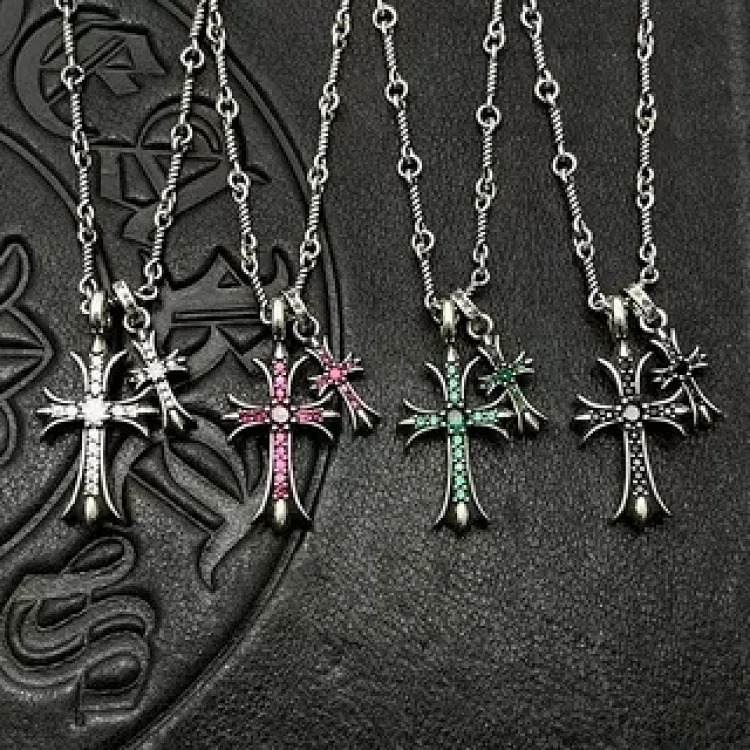
Washed black cargo denim shorts
This OutfitReps listing earns a place in the guide because it supports soft, comfortable weekend dressing with a tidy silhouette without forcing the rest of the outfit to compete with it. Read the product name as a visual starting point rather than a complete specification. The listing image is useful for judging silhouette, apparent surface texture, color placement, and the amount of visual weight the piece introduces. Those factors matter more to outfit planning than a logo or trend label. Compare the image with garments you already own, especially at the shoulder, hem, rise, and shoe profile, so the new piece has an obvious role instead of becoming an isolated purchase.
Within this outfit, use the piece to reinforce the proposed palette of oatmeal, soft grey, chocolate brown, faded blue, and cream. If the product is visually dominant, keep neighboring garments quiet and repeat only one of its minor colors elsewhere. If it is understated, create interest through proportion: a shorter layer over a longer base, a wider trouser against a compact shoe, or a structured accessory beside softer clothing. The goal is not to reproduce the listing photograph. It is to translate the useful elements into a repeatable combination suited to slow mornings, café visits, gallery stops, and cool evening walks. Before ordering, open the exact product page, review every available image, confirm the displayed price and options, and save a screenshot of the selected variant for later comparison.
View this exact product on OutfitReps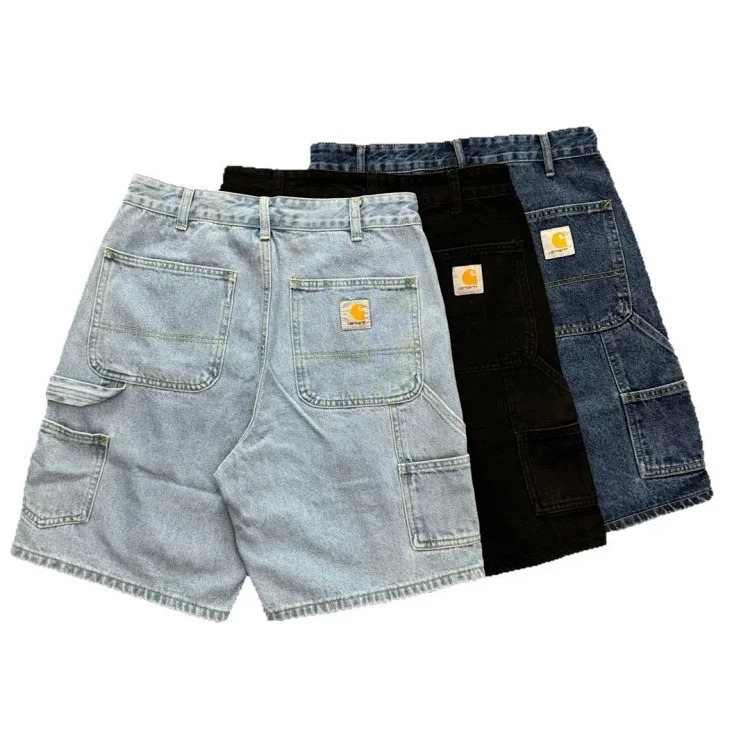
High of B22 men's and women's sports shoes, cowhide, breathable mesh, contrasting color la
This OutfitReps listing earns a place in the guide because it supports soft, comfortable weekend dressing with a tidy silhouette without forcing the rest of the outfit to compete with it. Read the product name as a visual starting point rather than a complete specification. The listing image is useful for judging silhouette, apparent surface texture, color placement, and the amount of visual weight the piece introduces. Those factors matter more to outfit planning than a logo or trend label. Compare the image with garments you already own, especially at the shoulder, hem, rise, and shoe profile, so the new piece has an obvious role instead of becoming an isolated purchase.
Within this outfit, use the piece to reinforce the proposed palette of oatmeal, soft grey, chocolate brown, faded blue, and cream. If the product is visually dominant, keep neighboring garments quiet and repeat only one of its minor colors elsewhere. If it is understated, create interest through proportion: a shorter layer over a longer base, a wider trouser against a compact shoe, or a structured accessory beside softer clothing. The goal is not to reproduce the listing photograph. It is to translate the useful elements into a repeatable combination suited to slow mornings, café visits, gallery stops, and cool evening walks. Before ordering, open the exact product page, review every available image, confirm the displayed price and options, and save a screenshot of the selected variant for later comparison.
View this exact product on OutfitReps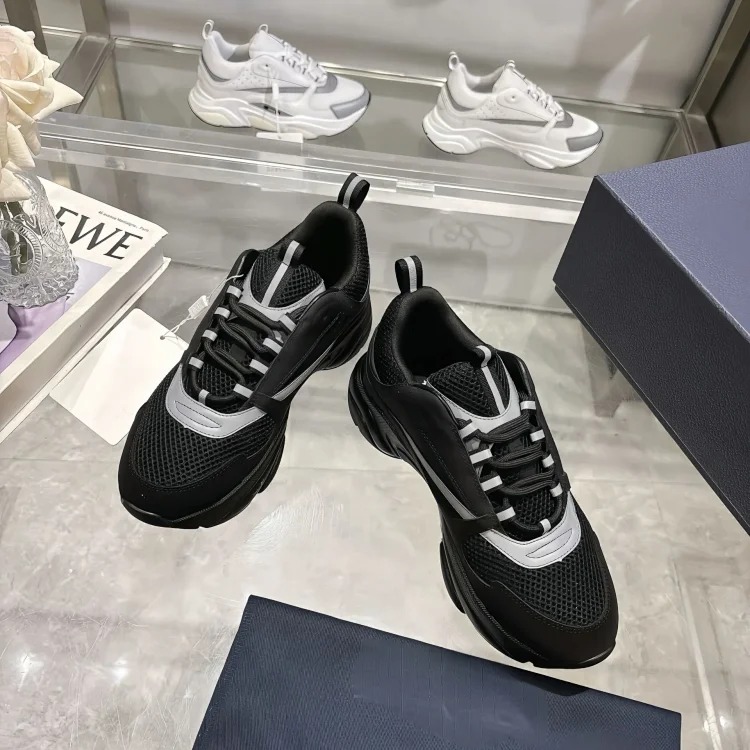
[Ready stock] Superme large label sweatshirt **Knitted version, complete with three labels
This OutfitReps listing earns a place in the guide because it supports soft, comfortable weekend dressing with a tidy silhouette without forcing the rest of the outfit to compete with it. Read the product name as a visual starting point rather than a complete specification. The listing image is useful for judging silhouette, apparent surface texture, color placement, and the amount of visual weight the piece introduces. Those factors matter more to outfit planning than a logo or trend label. Compare the image with garments you already own, especially at the shoulder, hem, rise, and shoe profile, so the new piece has an obvious role instead of becoming an isolated purchase.
Within this outfit, use the piece to reinforce the proposed palette of oatmeal, soft grey, chocolate brown, faded blue, and cream. If the product is visually dominant, keep neighboring garments quiet and repeat only one of its minor colors elsewhere. If it is understated, create interest through proportion: a shorter layer over a longer base, a wider trouser against a compact shoe, or a structured accessory beside softer clothing. The goal is not to reproduce the listing photograph. It is to translate the useful elements into a repeatable combination suited to slow mornings, café visits, gallery stops, and cool evening walks. Before ordering, open the exact product page, review every available image, confirm the displayed price and options, and save a screenshot of the selected variant for later comparison.
View this exact product on OutfitReps![[Ready stock] Superme large label sweatshirt **Knitted version, complete with three labels from OutfitReps](/news/assets/bags-7561.jpg)
Four-leaf clover double flower necklace for women V gold high-end 18K rose gold white shel
This OutfitReps listing earns a place in the guide because it supports soft, comfortable weekend dressing with a tidy silhouette without forcing the rest of the outfit to compete with it. Read the product name as a visual starting point rather than a complete specification. The listing image is useful for judging silhouette, apparent surface texture, color placement, and the amount of visual weight the piece introduces. Those factors matter more to outfit planning than a logo or trend label. Compare the image with garments you already own, especially at the shoulder, hem, rise, and shoe profile, so the new piece has an obvious role instead of becoming an isolated purchase.
Within this outfit, use the piece to reinforce the proposed palette of oatmeal, soft grey, chocolate brown, faded blue, and cream. If the product is visually dominant, keep neighboring garments quiet and repeat only one of its minor colors elsewhere. If it is understated, create interest through proportion: a shorter layer over a longer base, a wider trouser against a compact shoe, or a structured accessory beside softer clothing. The goal is not to reproduce the listing photograph. It is to translate the useful elements into a repeatable combination suited to slow mornings, café visits, gallery stops, and cool evening walks. Before ordering, open the exact product page, review every available image, confirm the displayed price and options, and save a screenshot of the selected variant for later comparison.
View this exact product on OutfitReps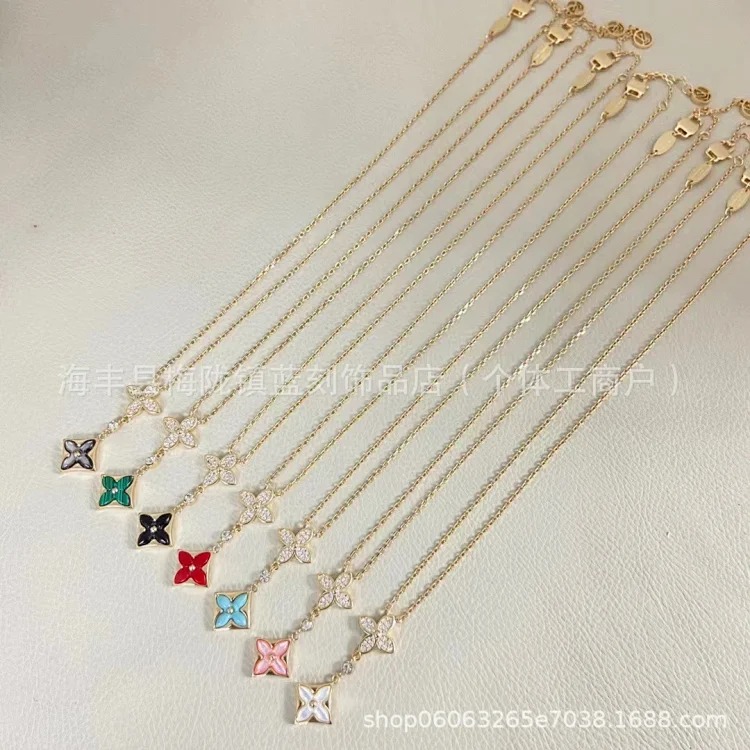
A repeatable outfit blueprint
Lay all five references out in order of visual importance. Select one lead piece, usually the item with the strongest shape, contrast, or color. The remaining clothing should frame that lead rather than echo every detail. Use the formula—a tactile knit, relaxed trousers, low-key shoes, a compact bag, and one subtle accessory—as a sequence of decisions. First establish the base and trouser relationship. Check where the top ends relative to the waistband and where the trouser meets the shoe. Then add the outer or supporting piece and decide whether it changes the silhouette enough to require a simpler accessory. Add the bag or small detail only after the clothing feels complete.
Create at least three versions before deciding the outfit works. The primary version follows the guide closely. The reduced version removes the most decorative layer or accessory for a quieter setting. The weather version substitutes a warmer or lighter layer while preserving the same color relationships and proportions. This exercise reveals whether the idea is flexible or dependent on one exact product. A strong outfit system survives substitution. If the selected OutfitReps item becomes unavailable, you should be able to identify its functional role—such as short dark jacket, relaxed neutral trouser, or low-profile sneaker—and search for an equivalent without rebuilding everything.
Photograph the test outfit from the front, side, and back in ordinary light. Mirrors can hide proportion issues because the eye keeps moving, whereas a still image makes hem placement, trouser break, and accessory scale easier to compare. Sit down, walk, reach, and carry the loaded bag. If the outfit works only while standing still, adjust it before buying additional pieces. Small changes often solve the problem: one cuff, a different sock value, a partially open layer, a shorter bag strap, or removing a competing accessory. Restraint is usually more effective than adding another item.
Image, sizing, and QC review checklist
Use the exact OutfitReps detail links in this guide as the start of a verification process. Product pages can change, so review the current page rather than relying on the guide thumbnail alone. Save the title, selected option, size information, and key images. Compare the seller measurements with a similar garment that already fits you, measuring that garment on a flat surface in the same way. For shoes, compare interior length guidance where available and account for the socks you intend to wear. For bags and accessories, check dimensions against a familiar object instead of estimating scale from a model photograph.
- Confirm that the chosen color and size correspond to the image you reviewed.
- Check front, back, side, sole, hardware, label, seam, and close-up photographs when available.
- Compare garment width, length, rise, inseam, and opening with your own measurements.
- Look for symmetry, consistent stitching, clean edges, secure hardware, and obvious marks.
- Verify that prints, panels, pockets, and closures match the selected product variation.
- Keep screenshots and the exact product URL so later checks use the same reference.
When warehouse or QC photographs are supplied, judge them against objective requirements rather than expecting identical studio lighting. Color temperature can shift dramatically. Focus first on the correct model, size, visible construction, major alignment, and condition. Ask for an additional image only when it will answer a specific question. A request such as “show the outsole size mark” is more useful than asking for a general better photo. If an issue would prevent you from wearing the piece in the planned outfit, resolve it before shipping; if it is invisible during normal use, decide whether it truly matters.
Ordering and wardrobe integration
Open each product through its dedicated button and review the listing independently. Prices shown in screenshots or earlier notes can become outdated, so treat the current OutfitReps product detail page as the live reference. Do not order all five pieces simply because they appear in one guide. Start with the item that fills the clearest wardrobe gap, then test it with clothing you already own. If the first purchase improves several outfits, the second supporting piece may be justified. This staged approach reduces duplication and makes the final wardrobe easier to use.
Before checkout, calculate the complete practical cost rather than looking only at the item price. Consider domestic delivery, service charges, packing choices, international shipping, and potential return constraints. Estimate weight and volume, particularly for shoes, heavy outerwear, or structured bags. Keep product links organized by outfit and mark which role each item serves. When two products perform the same role, choose the more versatile option instead of keeping both by default. A small, coherent wardrobe creates more usable combinations than a large collection of near-duplicates.
Once an item arrives, give it a short integration period. Build the primary outfit, the reduced version, and two combinations using existing garments. Note where the piece succeeds and where it creates friction. If it requires special layering, a particular sock, or a limited bag size, record that information. Wardrobe notes may sound excessive, but they prevent repeated mistakes and make future product browsing faster. The purpose of this guide is not a single photograph; it is a practical method for turning product references into clothing that supports real routines.
Final styling note
Soft Knit Weekend Outfit Guide works best when every item has a defined role and the outfit can adapt without losing its identity. Keep the palette disciplined, use proportion to create interest, and verify the current OutfitReps listing before making a decision. The five linked products provide concrete visual references, but your measurements, climate, schedule, and existing wardrobe should determine the final selection. Start with one strong foundation, test it thoroughly, and add only the pieces that make the system more useful.